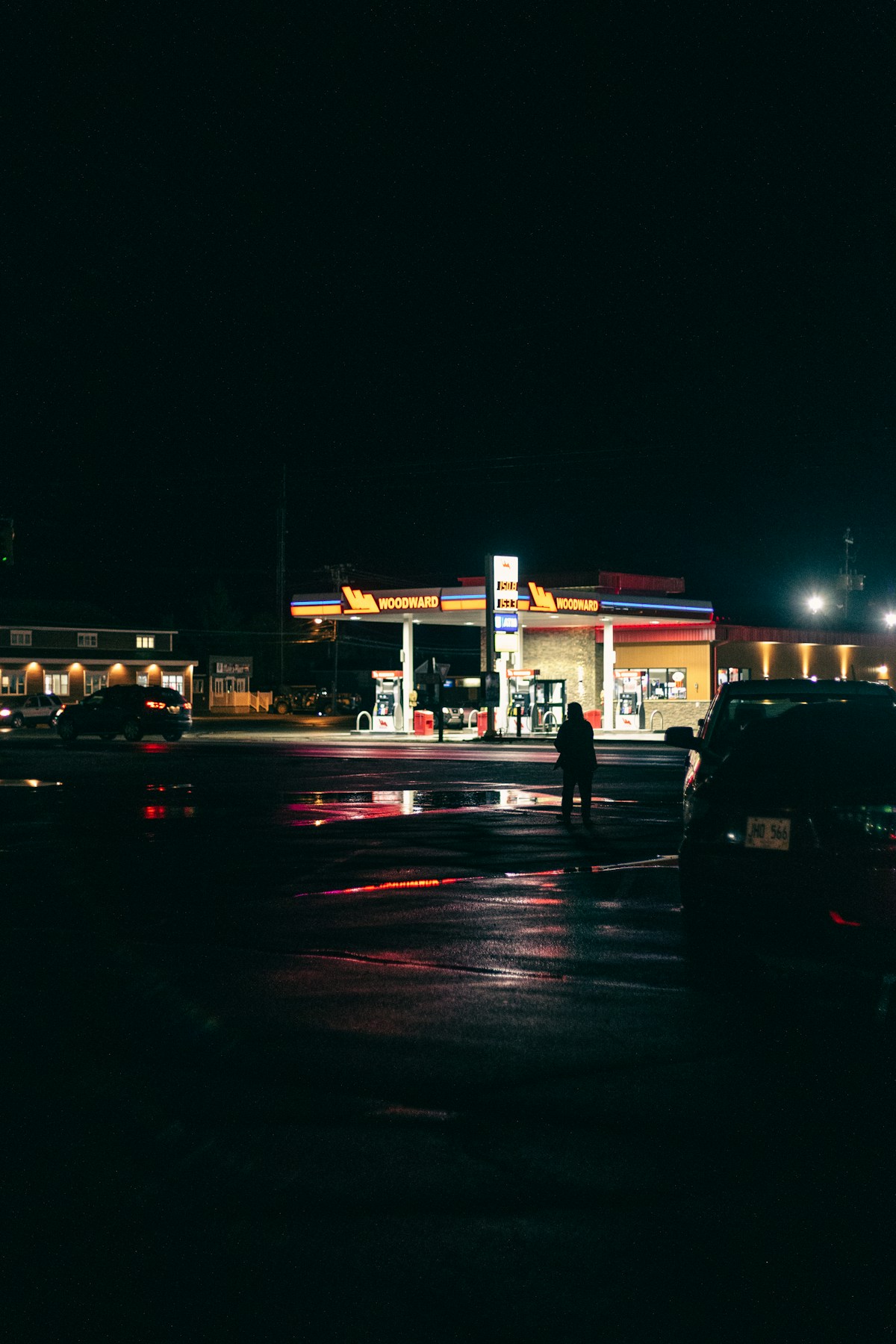
we need to all stand together.
What we need to stop our industry from collapsing
Mega truck stops need building!
Truck drivers are essential because they keep the economy moving by transporting goods, making up a critical part of the supply chain for nearly every product and service. They deliver necessities like food and medicine, ensuring stores, hospitals, and other businesses can receive timely deliveries. Without them, shelves would be empty, and many essential services would quickly halt. Truck drivers spend hours and days alone in a cab. Often, they are required to stay overning in there cab on long-haul jobs and the feeling of isolation in an industry that relies internal resilience for a job that demands a fairly solitary existence, has inevitable consequences.
Yet the sector faces a persistent and growing shortage of truck drivers. In 2025, industry estimates placed the gap at between 60,000 and 80,000 drivers. This shortage has significant implications for supply chains and could lead to inflationary pressure.
The lack of adequate facilities for truck drivers is a significant and long-standing issue, leading to serious problems with their health, safety, and well-being, and contributing to the persistent driver shortage.
Core Issues with Facilities
Insufficient and Unsafe Parking: There is a significant shortfall of safe and secure parking spaces (an estimated shortage of 11,000 spaces in the UK alone), forcing drivers to park in unlit lay-bys or industrial estates, which lack basic amenities and are prone to crime like fuel and cargo theft.
Poor Hygiene and Sanitation: Existing toilet and shower facilities at many rest stops are often described as unclean and inadequate, with some reports of a single shower expected to serve dozens of drivers. This poses health risks, especially for the underrepresented female drivers in the industry.
Lack of Healthy Food Options: Many facilities predominantly offer expensive fast food or vending machine snacks, with limited access to healthy, affordable, and fresh food options. This contributes to poor dietary habits and associated health issues like obesity and diabetes among drivers.
Unwelcoming Environment: Drivers often report feeling undervalued and treated as "second-class citizens" at some service stations, further impacting their mental health and morale.
Inconvenient Locations: The location and accessibility of existing facilities can be a problem, making it difficult for drivers to reach them within their legally mandated hours of service.